Microsoft Names Asha Sharma CEO as Phil Spencer Retires
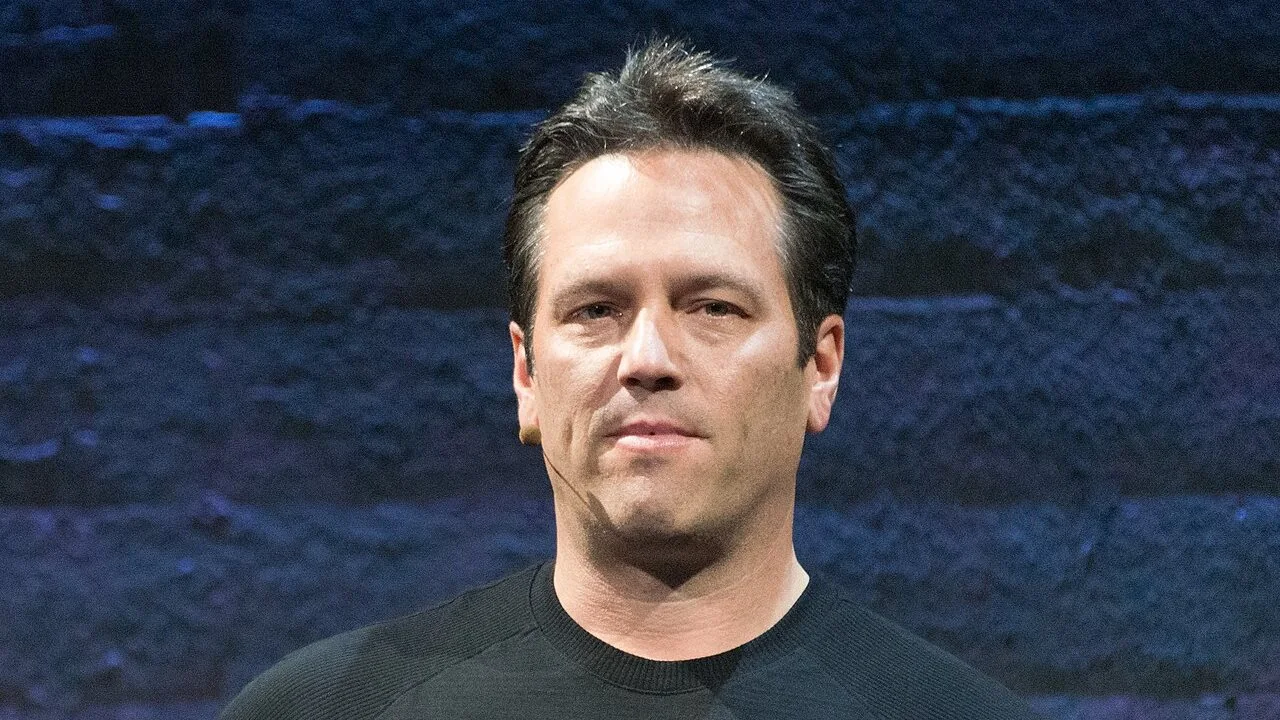
Microsoft announced on February 20, 2026 that Phil Spencer would retire and Asha Sharma would become Executive Vice President and CEO of Microsoft Gaming. Matt Booty was named Executive Vice President and Chief Content Officer, reporting to Sharma. Spencer said he had told Microsoft CEO Satya Nadella the previous fall that he was considering stepping back. He planned to remain in an advisory role through the summer to support the handoff. The announcement therefore described a planned leadership transition, not an immediate departure without overlap.
What changed, and when
The original announcement used Microsoft Gaming as the organization’s name and gave Sharma the title EVP and CEO of Microsoft Gaming. An editor’s note on the same Microsoft post says that, effective April 23, 2026, Microsoft Gaming became known as Xbox and Sharma’s title became CEO Xbox. Those dates and titles matter because the article was later updated: a current reference to her position should use the newer title, while an account of the February announcement should preserve the title used at the time.
Sharma’s position is the top executive role for the gaming organization, not the chief executive position for Microsoft as a whole. The corporate post says she reports to Nadella, who remains Microsoft’s chairman and CEO. This distinction avoids a common ambiguity in headlines: the words “CEO of Microsoft Gaming” referred to a division inside the larger company. The April title update shortened the organization’s name and her role title, but the post does not describe a change to Microsoft’s overall corporate leadership.
Spencer’s tenure and transition
Microsoft’s statement says Spencer joined the company as an intern in June 1988 and spent 12 years leading its gaming business. Nadella described Spencer’s Microsoft career as more than 38 years and credited him with expanding gaming across PC, mobile, and cloud, helping shape the company’s acquisition strategy, and nearly tripling the size of the business. These are claims in the CEO’s tribute, and should be attributed to Microsoft rather than presented as independent financial measurements. The announcement does not provide a spreadsheet defining how the company calculated the “nearly tripled” description.
Spencer’s own message says he raised the possibility of stepping back with Nadella the previous fall and that they then worked on a deliberate succession plan. He described the transition as a process intended to maintain stability and strengthen the organization. His announced advisory period through summer 2026 was part of that handoff. The public statement does not say that he was leaving because of a single recent product decision, a particular game, or a specific financial result. The prior article’s unsupported causal framing has therefore been removed.
Microsoft also credited Spencer with guiding strategy around acquisitions including Activision Blizzard, ZeniMax, and Minecraft. The announcement refers to these deals as part of his legacy in the role; it does not say that he personally made every acquisition decision. A careful account can say that his leadership period included these major transactions and that Nadella tied them to his impact, while avoiding a simplified claim that one executive alone directed every negotiation or outcome.
Sharma’s appointment and background
Nadella’s announcement described Sharma as having spent two years at Microsoft before the appointment, following executive roles that included Chief Operating Officer at Instacart and vice president at Meta. He emphasized her experience building platforms, scaling consumer services, and aligning business models over time. This is the company’s stated rationale for the appointment. It is more precise than reducing her background to a single label or assuming that a prior role automatically predicts how she will lead a game business.
Sharma’s message to employees set out three priorities: making great games, renewing the company’s commitment to Xbox, and preparing for the future of play. She described the first priority as protecting studio craft and supporting established franchises as well as new ideas. On Xbox, she said the console remained part of the organization’s identity while the service also reached across PC, mobile, and cloud. These are strategic commitments voiced at the start of her tenure, not results already achieved. An announcement of priorities should not be mistaken for proof that products, pricing, or organization structure changed on that same day.
Booty’s expanded role
Booty moved into the EVP and Chief Content Officer role and reports to Sharma. Nadella described Microsoft Gaming as spanning nearly 40 studios across Xbox, Bethesda, Activision Blizzard, and King, while Spencer praised the studios organization and its pipeline. Those descriptions show why the content role matters: the portfolio contains teams working across multiple businesses and long-running series. The official messages do not provide a new studio-by-studio reporting chart or detail changes to individual game teams.
Booty’s own note focused on supporting the teams and leaders already in place. The announcement does not make him an independent CEO of the studios group, and it does not say that every creative decision now goes through him personally. His title describes a senior executive responsibility for content, with the CEO Xbox role above him in the stated reporting line. Keeping those positions distinct helps readers understand the announced hierarchy without speculating about internal processes that the company did not publish.
Sarah Bond’s departure
Spencer’s message also said Sarah Bond had decided to leave Microsoft to begin a new chapter. He credited her with work on platform strategy, Game Pass and cloud gaming, hardware launches, and other major moments for Xbox. The statement did not name a successor to her exact position or explain her personal reason for departing beyond the phrase she was beginning a new chapter. This article does not treat her departure as a dismissal or assign it a specific connection to Sharma’s appointment without supporting evidence.
The simultaneous announcements of Spencer’s retirement, Sharma’s promotion, Booty’s new title, and Bond’s departure make the day a broad leadership transition. They do not mean all four changes have the same cause or effective date. Spencer’s advisory period was described as transitional, Sharma began the CEO role with the announcement, and Bond chose to leave. The distinctions help avoid compressing a set of personnel updates into a single unverified narrative about conflict or strategic reversal.
What the announcement establishes
The primary record is Microsoft’s February 20 post and its later title note: Spencer decided to retire after a career beginning in 1988; Sharma was appointed EVP and CEO of Microsoft Gaming; Booty became EVP and Chief Content Officer; Bond said she was leaving; and Spencer planned an advisory handoff through summer 2026. As of April 23, Microsoft Gaming was known as Xbox and Sharma’s title was CEO Xbox. Each point is directly stated in the company’s announcement.
The post does not prove how these leaders’ decisions will affect future game quality, subscription prices, hardware plans, or which franchises receive investment. The words of support and the three strategic commitments are statements of intent, not independent assessments of performance. The most useful conclusion is that Microsoft completed a clearly documented succession with an overlap period and a formal update to the organization’s name and CEO title. Any claims about the results of the new leadership should be assessed against later decisions and outcomes, not inferred from appointment biographies.
Sources
- Microsoft: Asha Sharma Named EVP and CEO, Microsoft Gaming
The retirement and succession announcement, Spencer’s transition plan, Sharma and Booty appointments, and the April 23 title update.