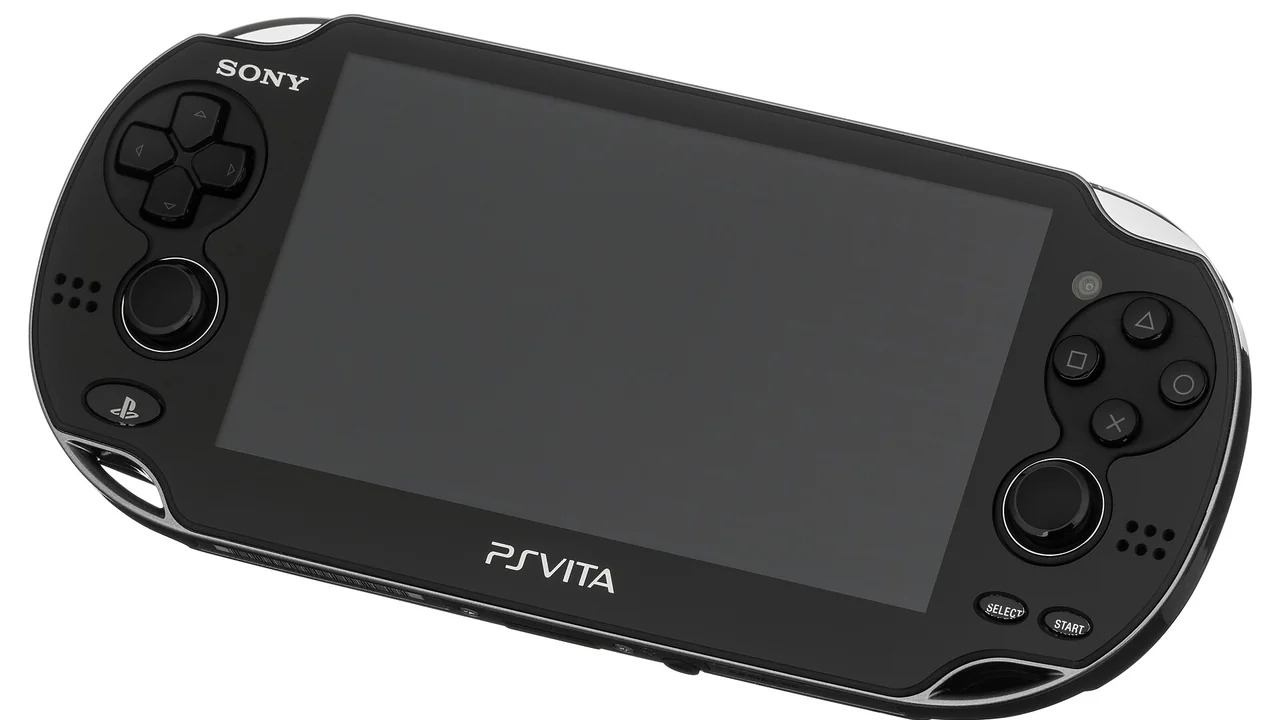
Sony Reports ¥202 Billion PlayStation Operating Income in FY2026 Q1
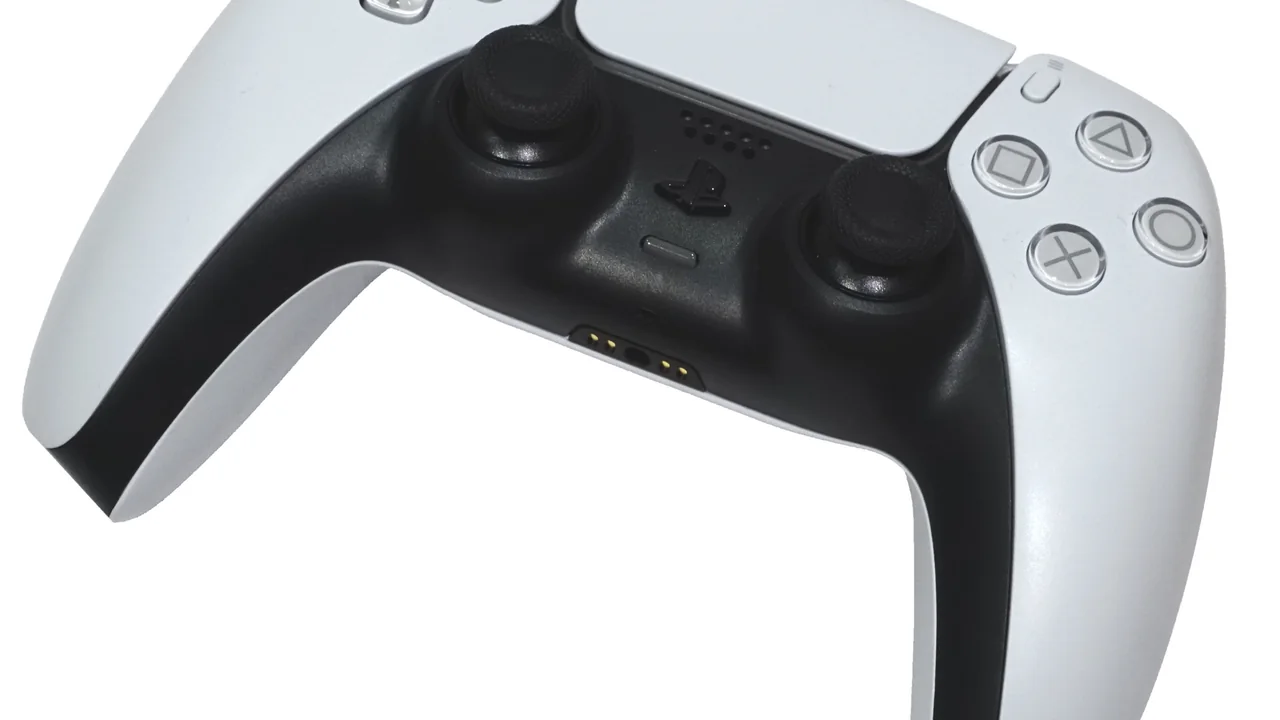
Sony’s July 31 results put Game & Network Services operating income at ¥202.0 billion and PlayStation monthly active users at 125 million.
What the source confirms
Sony’s FY2026 first quarter covered April through June 2026, with the earnings announcement published July 31.
The Game & Network Services segment reported ¥937.1 billion in sales and ¥202.0 billion in operating income for the quarter.
Sony’s supplemental table reported 125 million monthly active users at quarter end and 1.6 million PS5 hardware units sold on a sell-in basis.
Why it matters
Segment revenue, operating income, hardware sell-in and monthly active users describe different parts of the business. Operating income can rise even when hardware units fall, and a monthly active account is not a unique person or a paying subscriber. Sony’s own notes about currency and accounting scope are important to year-over-year comparisons.
Segment Results Need the Company’s Definitions Beside Them
Game & Network Services is a Sony reporting segment, not a synonym for console sales alone. The ¥937.1 billion sales and ¥202.0 billion operating income cover the segment as Sony defines it. A reader should not describe the operating income as profit from PS5 hardware or from a single game. Segment results combine activities and accounting categories that the supplemental materials define.
Operating income and sales also answer different questions. Sales measure the reported top-line amount, while operating income reflects the segment’s result under Sony’s accounting definitions. A higher or lower value should be interpreted alongside currency effects and the company’s notes, not as a direct measure of player satisfaction or console demand. This is why the reporting period and fiscal-year label belong with the figures.
The quarter ran from April through June 2026 and the results were published July 31. That timing lets readers distinguish the first-quarter snapshot from a full-year outlook. It also means that later releases may revise context or show a different trend. An earnings article is most useful when it preserves the company’s period and metrics instead of turning one quarter into a claim about the whole year.
MAU and Sell-In Are Not Counts of Paying Players and Retail Purchases
Sony reported 125 million monthly active users at quarter end. That is an account activity measure under the company’s definition; it is not a count of unique people or paying subscribers. One person may have more than one account, and an active account does not necessarily indicate a purchase. The article should keep the MAU label beside the number and avoid treating it as a direct revenue indicator.
The 1.6 million PS5 hardware figure is described as sell-in. That refers to units supplied into the distribution channel, not necessarily consoles purchased by end users during the same period. Sell-in and retail sell-through can differ as inventory moves. A reader comparing the number with another company’s consumer sales should verify that the measurement basis matches.
These distinctions make the supplemental table essential to interpreting the headline. Each figure can be useful within its own scope: active accounts indicate ecosystem reach, and sell-in indicates hardware flow to distribution. Neither answers all questions about engagement, household adoption, or final consumer demand. The article can report Sony’s numbers accurately while pointing out what those measures do not establish.
One Quarter Is a Checkpoint, Not a Full-Year Narrative
The April-to-June results describe one fiscal quarter. They can establish the reported segment figures and user metrics for that period, but do not establish the year’s final direction. Later quarters may differ, and Sony’s annual outlook can change. The article should use the quarter label whenever it summarizes the numbers.
Readers can compare future filings with this baseline if they keep the definitions consistent. Sales, operating income, MAU, and sell-in are separate measures. A simple claim that the business is up or down may hide those differences. The earnings release is most useful when each number is reported with its period and basis.
Currency and Reporting Notes Belong Beside Comparisons
Sony’s materials note that currency effects influenced the sales comparison. Readers comparing the quarter with the previous year should therefore consult the company’s reported basis and supplemental notes. A headline currency amount alone may not show how exchange rates shaped the change.
The same care applies to the fiscal label. FY2026 Q1 covers April through June 2026, not a calendar-year quarter label that might be interpreted differently. Keeping the period, currency, and metric definition together helps readers compare Sony’s future filings on a consistent basis.
What readers should consider
Investors should read the earnings presentation alongside the supplemental definitions and avoid treating the segment as console-only. Players can use the MAU figure as a broad ecosystem measure, but it does not reveal playtime, regional distribution or subscription conversion. The 1.6 million hardware count is sell-in to distribution, not necessarily retail sell-through.
Evidence and limitations
These are Sony-reported financial results for one fiscal quarter, not a full-year forecast. Currency effects influenced the sales comparison, and the company’s reporting definitions govern each metric. Secondary financial coverage summarizes the same filing and is not a separate audit.
What to watch next
The next quarterly filing can show whether trends persisted and whether the annual outlook changed. Preserve the April–June period, fiscal-year label and sell-in basis when comparing future figures.
Sources
- Sony Group: FY2026 Q1 Earnings Announcement
July 31 earnings release date and company financial materials.
- Sony Group: FY26.1Q Supplemental Information
Game & Network Services segment results, PS5 hardware sell-in and 125 million monthly active users.
- Zacks Investment Research: Sony Q1 Earnings & Sales Rise on Gaming & Sensors, FY26 View Lifted
Independent financial coverage of Sony’s July 31 results and PlayStation operating trends.