State of Play June 2026: New PS5 Games, Dates and Updates
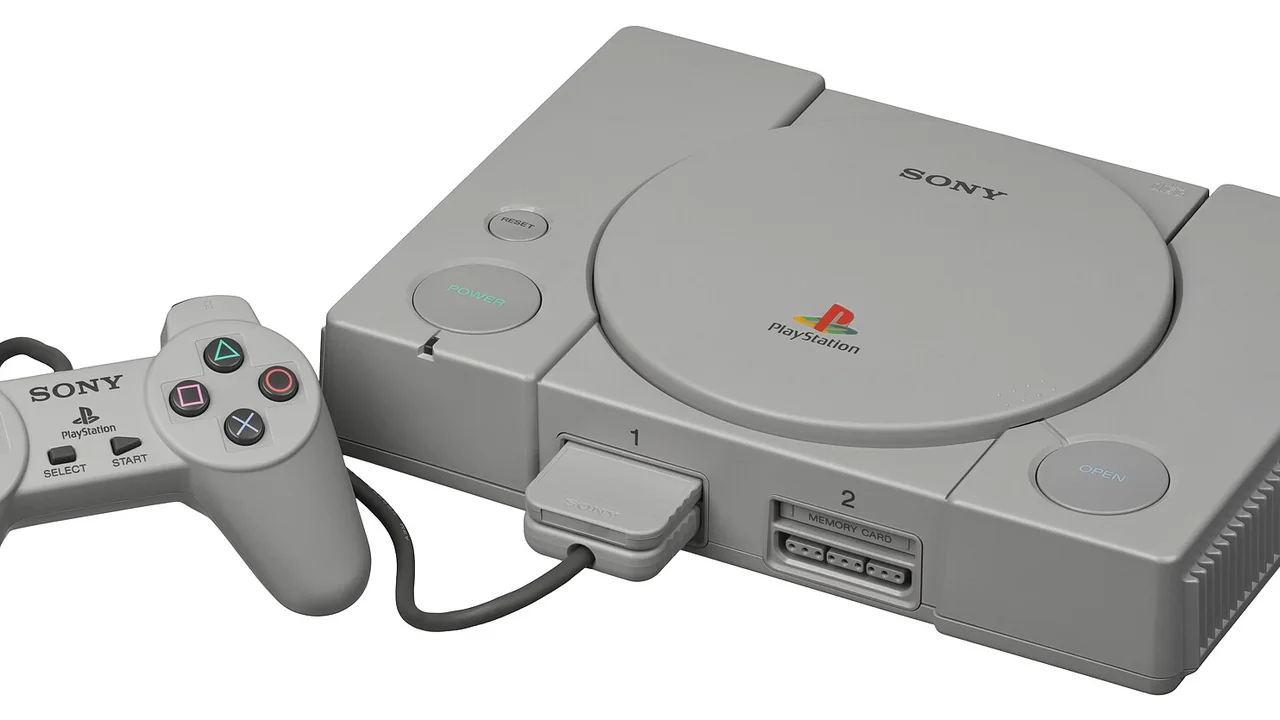
Sony’s June 2 State of Play recap included new trailers, release dates and updates such as Ace Combat 8, Dune: Awakening and Marathon’s Open Play Week.
What the source confirms
The official recap summarized a presentation that included new game footage, creator-written deep dives and release information across a range of publishers.
Ace Combat 8: Wings of Theve was listed for PS5 on October 2, with a campaign and 30 aircraft described in the announcement.
Marathon’s Open Play Week was announced for June 2–9, with the post stating that no PlayStation Plus membership was required for that specific event.
Why it matters
Showcase roundups mix different levels of certainty. A dated release announcement, an open test period and a trailer without a date should not be presented as equivalent commitments. The event’s breadth can help players discover projects, but the individual publisher remains responsible for confirming product scope and later changes.
Three Different Ways an Announcement Can Be Useful
The June recap offers at least three kinds of information that answer different reader questions. Ace Combat 8 has a listed October date and a described campaign and aircraft count, which lets someone mark a planned release and later compare it with the final product. Marathon’s Open Play Week has a bounded event period and an explicit PlayStation Plus note, so the immediate issue is access during that window. Other footage or creator explanations may help a player decide whether a project deserves attention, but they do not create the same calendar commitment. Separating these forms of news avoids the common error of treating every trailer as a launch announcement.
The timing of a test event deserves particular care. Open Play Week ran June 2 through June 9 according to the recap; that statement describes a specific opportunity, not an ongoing way to try the game. The no-PlayStation-Plus condition is attached to that event, and should not be generalized to every future multiplayer session or the full release. A reader returning to the article later can still use it to understand what Xbox announced, but must look to current game and platform pages for later access rules. This is a small distinction with a practical effect: the end of a public event changes what a new player can do.
A useful follow-up record can be kept separately for each title: platform, stated date or window, type of evidence, and the publisher responsible for later updates. That method makes the recap easier to use than a flat list because it shows which question remains open. For Ace Combat 8, the announced PS5 date can be revisited against the store listing. For Marathon, later event rules require a new dated notice. For a trailer without a firm commitment, the appropriate follow-up may simply be another developer update. The June 2 broadcast gives a starting point for all three, while the individual game pages carry the detail needed for a final decision.
A Compact Method for Tracking Announcements After the Show
A reader can turn the recap into a simple tracking record without treating every item as a promise. For each game, note the exact platform, the date or window, and whether the source describes a release, test, gameplay demonstration, or creator explanation. Ace Combat 8 has a stated October 2 date and feature descriptions; Marathon has a June event period and a membership condition. These entries belong in different columns because they answer different questions. Any title without a date should stay marked as undated until its publisher supplies one.
Dates also need their original context. The Open Play Week dates describe a time-limited event, not the full game’s release schedule. The no-membership detail is explicitly tied to that event, so it should not be generalized to the later product. Likewise, a launch date in a showcase can be updated after the broadcast. Keeping the announcement date in the tracking record makes a changed plan visible instead of creating a confusing single timeline that erases earlier information.
This method is useful when a show includes many publishers. The platform owner organizes the presentation, but each developer or publisher controls its own game details. A reader following one title can move from the recap to that title’s official page and verify the current listing before making a purchase or scheduling play. The recap remains a helpful index of what was presented on June 2; it does not replace the independent release communication for every project.
What readers should consider
Use each item’s own line in the recap to record platform, date and whether the wording describes a launch, test or preview. Players considering an open event should check its local start time, account rules and download availability before planning around it. A wishlist reminder is safer than treating a show segment as a reservation window.
Evidence and limitations
The recap reflects information available during the June 2 broadcast and is not an independent review of the games. It cannot prove that every announced date remained unchanged or that every described feature shipped as shown. Trailer footage may be edited and may not represent final performance.
What to watch next
Follow the dedicated game pages linked by PlayStation and the publishers for patches, regional schedules and revised dates. A later hands-on report should be based on a playable version and identify the platform and build, rather than rely solely on showcase footage.
Sources
- PlayStation Blog: State of Play June 2026: all announcements, trailers
The June 2 showcase recap and the listed game announcements, release windows and event dates.
![Português O PlayStation 2 (oficialmente abreviado como PS2) foi o segundo console produzido pela empresa Sony, após o PlayStation original. Foi lançado no dia 4 de março de 2000 no Japão, no dia 26 de outubro na América do Norte, e posteriormente, no dia 24 de novembro na Europa. Após um lento primeiro ano, o PlayStation 2 cresceu a ponto de tornar-se o console mais vendido da história dos videogames. Devido à imensa popularidade em todo o mundo, o console, assim como seus jogos, continuaram a ser fabricados mesmo após o lançamento do seu sucessor, o PlayStation 3. Somente depois de 13 anos do seu lançamento, às vias do anúncio do PlayStation 4, que o jornal japonês Asahi Shinbum anunciou o encerramento da fabricação do console no Japão no dia 30 de dezembro de 2012. E no dia 4 de janeiro de 2013, o jornal britânico The Guardian anunciou que a Sony cessou a produção dos consoles PlayStation 2 no mundo inteiro. O sucessor do PlayStation é anunciado pela Sony em março de 1999 e lançado um ano depois no Japão, em 4 de março de 2000. Na América do Norte, o evento ocorre no 26 de outubro do mesmo ano. A notícia causa estrondosa repercussão em todo mundo, a ponto de esvaziar lojas ainda no dia de seu lançamento e, devido a atrasos na fabricação, apenas alguns milhões de pessoas obtêm o console até o final de 2000. Outra opção era comprar o console na internet através de sites de leilões, como o eBay, onde ele era vendido por até mil dólares. Inicialmente, o PS2 tem muitas unidades vendidas com base na força da marca PlayStation e da compatibilidade com a versão anterior, com mais de 980.000 unidades comercializadas no Japão em 5 de março de 2000, um dia após o lançamento. Mais tarde, a Sony adiciona novos kits de desenvolvimento para desenvolvedores de jogos e mais unidades de PS2 para os consumidores. Os primeiros modelos (SCPH-10000, SCPH-15000 e SCPH-18000) foram vendidos apenas no Japão. Estes modelos incluíam um PCMCIA em vez da porta Dev9 dos modelos posteriores. A PCMCIA-to-adaptador Dev9 foi posteriormente disponibilizada para estes modelos. Os modelos SCPH-10000 e SCPH-15000 não possuíam um reprodutor de filmes DVD incorporada e, em vez disso, tinham um software de reprodução de criptografado que foi copiado para o cartão de memória de um CD-ROM incluído (normalmente, o PS2 só executa softwares de encriptação de seu cartão de memória, mas isso pode ser mudado com o PS2 Independence Exploit). O console V3 (versão 3) tinha uma estrutura substancialmente diferente das reedições posteriores, apresentando várias placas interligadas de circuito impresso. A partir do V4, tudo foi unificado em uma placa, exceto o fornecimento de energia. Na versão 5, foram introduzidas pequenas alterações internas, e a única diferença entre esta e a V6 (também denominada V5.1) é a orientação do botão Power/Reset como conector da placa do interruptor, que foi revertida na V6 para impedir o uso de Modchips piratas. As versões 7 e 8 incluíam apenas pequenas alterações em relação à V6. Todas as versões a partir da SCPH-50000 possuem uma alteração na BIOS, da qual desabilita um exploit que permitia rodar aplicativos homebrew através do Memory Card, além de acrescentar receptores infravermelhos para controles remotos de DVD, que antes eram opcionais. Essa edição removeu a norma IEEE 1394, adicionou a capacidade de ler DVD-RW e DVD+RW e acrescentou uma varredura progressiva (Progressive Scan) para produção de filmes em DVD. As versões V10 e V11 contaram com poucas modificações. A cor padrão do PS2 é preto fosco. Consoles com diversas variações de cor, incluindo cinza, amarelo, azul, prata metálico, azul-marinho, preto opaco, roxo, ouro acetinado, prata acetinado, branco, vermelho, azul transparente (Blue Ocean), Pink Limited Edition e Black Piano, foram produzidos em diversas regiões. Em setembro de 2004, foi lançado o console versão 12, SCPH-70000. Lançada em novembro de 2004, é menor do que a versão antiga e inclui uma porta Ethernet. Em alguns lugares também inclui um modem. O tamanho e peso nesta edição foram reduzidos a 230 mm de altura, 152 mm de largura e 28 mm de profundidade (ou seja, menos 32%). Devido ao seu perfil estreito, que contém a baia de expansão de 3.5 polegadas, não dá suporte a disco rígido interno, mas devido à presença de portas USB 1.1, pode ser usado um disco rígido externo (apesar de nenhum jogo requerir um disco rígido interno) e utiliza uma fonte externa de energia, de maneira semelhante ao GameCube. Apesar das portas USB estarem disponíveis, a falta de unidade de disco rígido causou um problema, porque as portas USB 1.1 são mais lentas e o poucos jogos foram feitos para usá-la. Para algumas pessoas, esta tem sido uma limitação, especialmente para aqueles que preferem jogos como Final Fantasy XI, que exige o uso de periféricos, e evita o uso do pacote oficial do PlayStation 2 Linux. Houve discussões em relação à numeração deste modelo, uma vez que existem duas subversões do SCPH-70000. Uma delas inclui o antigo EE e GS e a outra contém a nova placa unificada EE + GS. Duas propostas de nomeação foram o nome do modelo antigo (EE e GS separados) V11.5 e o modelo V12 novo. Em 29 de novembro de 2005, o PlayStation 2 tornou-se o console de videogame mais rapidamente comercializado, por chegar a 100 milhões de unidades vendidas, realizando o feito no prazo de 5 anos e 9 meses de seu lançamento. O PlayStation 2 alcançou esta conquista de maneira mais rápida que seu antecessor, o PlayStation, que levou 9 anos e 6 meses para atingir o feito. O PS2 já havia vendido 138 milhões em unidades no mundo inteiro a partir de 18 de agosto de 2009, de acordo com a Sony. Na Europa, o PS2 vendeu 48 milhões de unidades a partir de 6 de maio de 2008, segundo dados da Sony Computer Entertainment Europe. Na América do Norte, o PS2 já vendeu 50 milhões de unidades em dezembro de 2008. No Japão, o PS2 vendeu 21.454.325 unidades a partir de 1 de outubro de 2008, de acordo com Famitsu/Enterbrain. Na Europa, o PS2 vendeu 6 milhões de unidades em 2006 e 3.8 milhões em 2007, De acordo com estimativas da Electronic Arts.30 31 Em 2007, o PS2 vendeu 3,97 milhões de unidades nos Estados Unidos de acordo com a NPD Group.32 33 e 816.419 unidades no Japão, segundo a Enterbrain. Em 2008, o PS2 vendeu 480.664 unidades no Japão, segundo a Enterbrain. Fonte: Wikipedia English The PlayStation 2 (PS2), is a home video game console that was manufactured by Sony Computer Entertainment. It is Sony's second installment in the PlayStation Series. It was released on March 4, 2000, in Japan followed by North America and Europe later the same year. The sixth-generation console competed with the Sega Dreamcast, Microsoft Xbox, and Nintendo GameCube. The PlayStation 2 went on to become the best-selling video game console in history, selling over 155 million units. More than 3,874 game titles have been released for the PS2 since launch, and more than 1.5 billion copies have been sold. Sony later manufactured several smaller, lighter revisions of the console known as "slimline" models, and in 2006 introduced the successor, the PlayStation 3. Even with the PlayStation 3 release, the PlayStation 2 remained popular well into the seventh generation and continued to be produced until January 4, 2013, when Sony finally announced that the PlayStation 2 had been discontinued after almost 13 years of production – one of the longest runs for a video game console. Despite the announcement, new games for the console continued to be produced until the end of 2013, including Final Fantasy XI: Seekers of Adoulin for Japan, Pro Evolution Soccer 2014 for North America and Europe, and FIFA 14 for Brazil. Sony unveiled the PlayStation 4 console the following month on February 20, 2013. Sony announced the PlayStation 2 (PS2) on March 1, 1999. The video game console was positioned as a competitor to Sega's Dreamcast, the first sixth-generation console to be released. Despite Sony's announcement, the Dreamcast went on to a very successful North American launch later that year selling over 500,000 units within two weeks.[12] Soon after the Dreamcast's North American launch, Sony unveiled the PlayStation 2 at the Tokyo Game Show in September 1999. Sony showed fully playable demos of upcoming PlayStation 2 games including Gran Turismo 2000 (later released as Gran Turismo 3: A-Spec) and Tekken Tag Tournament — which showed the console's graphic abilities and power. The PS2 was launched in March 2000 in Japan, October in North America and November in Europe. Sales of the console, games and accessories pulled in $250 million on the first day, beating the $97 million made on the first day of the Dreamcast. Directly after its release, it was difficult to find PS2 units on retailer shelves due to manufacturing delays. Another option was purchasing the console online through auction websites such as eBay, where people paid over a thousand dollars for the console. The PS2 initially sold well partly on the basis of the strength of the PlayStation brand and the console's backward compatibility, selling over 980,000 units in Japan by March 5, 2000, one day after launch. This allowed the PS2 to tap the large install base established by the PlayStation — another major selling point over the competition. Later, Sony added new development kits for game developers and more PS2 units for consumers. The PS2's built-in functionality also expanded its audience beyond the gamer, as its debut pricing was the same or less than a standalone DVD player. This made the console a low cost entry into the home theater market. The success of the PS2 at the end of 2000 caused Sega problems both financially and competitively, and Sega announced the discontinuation of the Dreamcast in March 2001, just 18 months after its successful launch. The PS2 remained as the only active sixth generation console for over 6 months, before it would face competition from newer rivals; the Nintendo GameCube and Microsoft's Xbox, which were then released. Many analysts predicted a close three-way matchup among the three consoles; the Xbox having the most powerful hardware, while the GameCube was least expensive console and Nintendo changed its policy to encourage third-party developers, and while the PlayStation 2 theoretically had the weakest specs of the three, it had a head start due to its installed base plus strong developer commitment, as well as a built-in DVD player (the Xbox required an adapter, while the GameCube lacked support entirely). While the PlayStation 2's initial games lineup was considered mediocre, this changed during the 2001 holiday season with the release of several blockbuster games that maintained the PS2's sales momentum and held off its newer rivals. Sony also countered the Xbox by temporarily securing PlayStation 2 exclusives for highly anticipated games such as the Grand Theft Auto series and Metal Gear Solid 2: Sons of Liberty. Sony cut the price of the console in May 2002 from US$299 to $199 in North America, making it the same price as the GameCube and $100 less than the Xbox. It also planned to cut the price in Japan around that time. It cut the price twice in Japan in 2003. In 2006, Sony cut the cost of the console in anticipation of the release of the PlayStation 3. Sony, unlike Sega with its Dreamcast, originally placed little emphasis on online gaming during its first few years, although that changed upon the launch of the online-capable Xbox. Coinciding with the release of Xbox Live, Sony released the PlayStation Network Adapter in late 2002, with several online first–party titles released alongside it, such as SOCOM: U.S. Navy SEALs to demonstrate its active support for Internet play. Sony also advertised heavily, and its online model had the support of Electronic Arts (EA); EA did not offer online Xbox titles until 2004. Although Sony and Nintendo both started out late, and although both followed a decentralized model of online gaming where the responsibility is up to the developer to provide the servers, Sony's moves made online gaming a major selling point of the PS2. In September 2004, in time for the launch of Grand Theft Auto: San Andreas, Sony revealed a newer, slimmer PS2 (see Hardware revisions). In preparation for the launch of the new models (SCPH-700xx-9000x), Sony stopped making the older models (SCPH-3000x-500xx) to let the distribution channel empty its stock of the units. After an apparent manufacturing issue—Sony reportedly underestimated demand—caused some initial slowdown in producing the new unit caused in part by shortages between the time the old units were cleared out and the new units were ready. The issue was compounded in Britain when a Russian oil tanker became stuck in the Suez Canal, blocking a ship from China carrying PS2s bound for the UK. During one week in November, British sales totalled 6,000 units — compared to 70,000 units a few weeks prior. There were shortages in more than 1,700 stores in North America on the day before Christmas. PlayStation 2 software is distributed on CD-ROM and DVD-ROM. In addition the console can play audio CDs and DVD movies, and is backwards compatible with PlayStation games. The PS2 also supports PlayStation memory cards and controllers, although PS1 memory cards only work with PS1 games and the controllers may not support all functions (such as analog buttons) for PS2 games. The standard PlayStation 2 memory card has an 8 MB capacity. There are a variety of non-Sony manufactured memory cards available for the PlayStation 2, allowing for a memory capacity larger than the standard 8 MB. The console also features USB and IEEE 1394 (Firewire) expansion ports. A hard disk drive can be installed in an expansion bay on the back of the console, and is required to play certain games, notably the popular Final Fantasy XI. This is only available on certain models. The PlayStation 2 may natively output video resolutions on SDTV and HDTV from 480i to 480p while other games, such as Gran Turismo 4 and Tourist Trophy are known to support upscaled 1080i resolution using any of the following standards: composite video (480i), S-Video (480i), RGB (480i/p), VGA (for progressive scan games and PS2 Linux only), YPBPR component video (which display most PS1 games in their native 240p mode which most HDTV sets don't support), and D-Terminal. Cables are available for all of these signal types; these cables also output analog stereo audio. Additionally, an RF modulator is available for the system to connect to older TVs. Digital (S/PDIF) audio may also be output by the console via its TOSLINK connector which outputs 5.1 channel sound. The PS2 has undergone many revisions, some only of internal construction and others involving substantial external changes. The PS2 is primarily differentiated between models featuring the original "fat" case design and "slimline" models, which were introduced at the end of 2004. In 2010, a television incorporating a PS2 was made available to consumers. The PS2 standard color is matte black. Several variations in color were produced in different quantities and regions, including ceramic white, light yellow, metallic blue (aqua), metallic silver, navy (star blue), opaque blue (astral blue), opaque black (midnight black), pearl white, sakura purple, satin gold, satin silver, snow white, super red, transparent blue (ocean blue), and also Limited Edition color Pink, which was distributed in some regions such as Oceania, and parts of Asia. In September 2004, Sony unveiled its third major hardware revision. Available in late October 2004, it was smaller, thinner, and quieter than the original versions and included a built-in Ethernet port (in some markets it also had an integrated modem). Due to its thinner profile, it did not contain the 3.5" expansion bay and therefore did not support the internal hard disk drive. It also lacked an internal power supply until a later revision (excluding the Japan version), similar to the GameCube, and had a modified Multitap expansion. The removal of the expansion bay was criticized as a limitation due to the existence of titles such as Final Fantasy XI, which required the use of the HDD. Sony also manufactured a consumer device called the PSX that can be used as a digital video recorder and DVD burner in addition to playing PS2 games. The device was released in Japan on December 13, 2003, and was the first Sony product to include the XrossMediaBar interface. It did not sell well in the Japanese market and was not released anywhere else. Source: Wikipedia — cover image for September 2026 State of Play: PlayStation’s Japan Showcase Highlights](/images/state-of-play-september-2026-recap-cover.webp)