Gamescom 2026 Reports 368,000 Visitors From 131 Countries
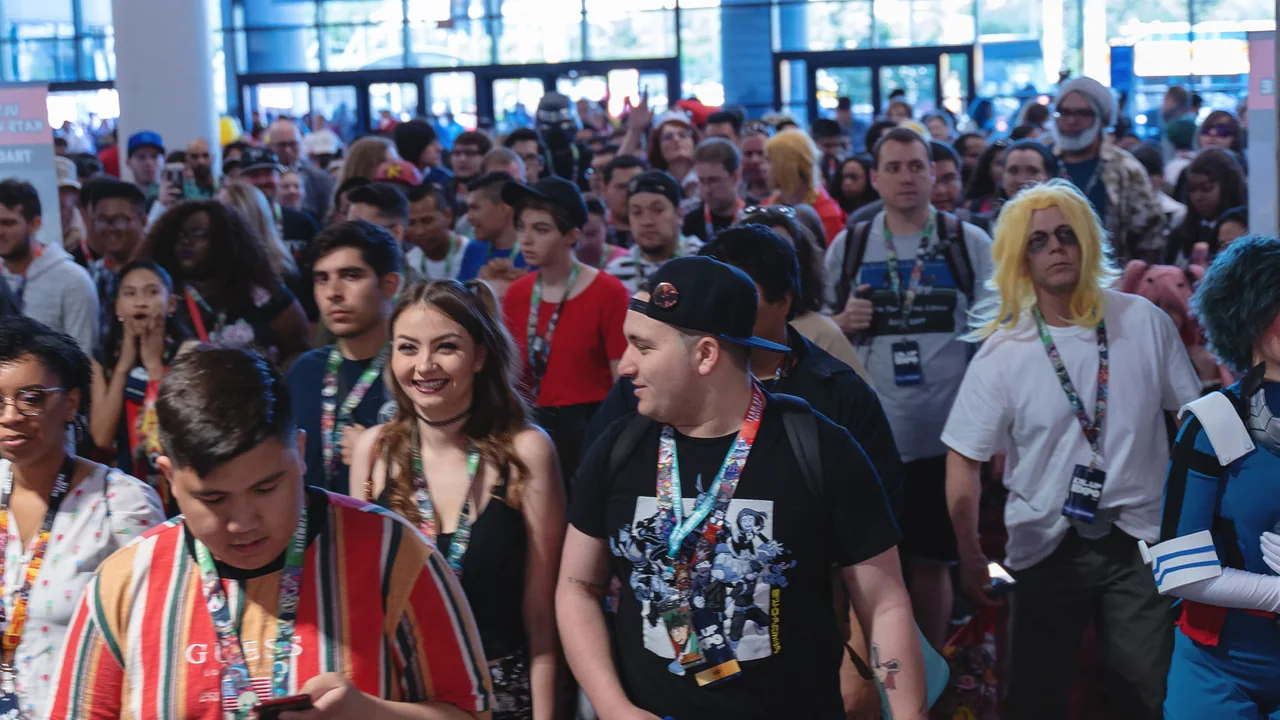
Gamescom’s August 30 closeout reported 368,000 visitors, more than 36,000 trade visitors and over 624 million program views.
What the source confirms
The organizer said 368,000 visitors from 131 countries attended gamescom 2026 in Cologne.
The closeout report listed more than 36,000 trade visitors and 1,743 exhibiting companies from 66 countries across roughly 233,000 square meters.
Gamescom reported more than 624 million views across the full show program as of Saturday evening, including 78 million for Opening Night Live.
Why it matters
Physical attendance and digital views describe different audiences and should not be added together. The view count is an organizer-reported reach measure with a stated cutoff, not unique viewers or completed streams. The visitor total, meanwhile, reflects the event’s access system and calendar, not an estimate of the global gaming population.
Visitor Counts, Trade Attendance, and Digital Views Should Stay Separate
The organizer reported 368,000 visitors from 131 countries and more than 36,000 trade visitors. These figures describe different attendance categories. Trade visitors may be included within the wider event total depending on how the organizer reports access, so the numbers should not be added as if they represented separate audiences. The closeout also names 1,743 exhibiting companies, another measure of participation rather than attendance.
The 624 million program views are different again. They are a digital reach measure with a stated cutoff, not a count of unique people or completed streams. One viewer can generate multiple views, and different program surfaces can contribute. Opening Night Live’s 78 million figure is a subset identified by the organizer, not an extra audience to add to the total.
Physical attendance and online exposure can coexist in a large event, but they cannot be combined into one population number. Readers can use each measure to understand a different aspect of scale: visitors at the venue, trade participation, exhibitors, and digital distribution. The organizer has not independently audited the figures in the closeout post, so attribution should remain explicit.
The Numbers Describe Scale, Not the Quality of the Event
The reported exhibition area of roughly 233,000 square meters gives readers a sense of the venue footprint, while the exhibitor count describes the number of participating companies. Neither metric shows how much floor space any one publisher received or how easy it was for attendees to reach a particular game. Those details would require a floor plan or attendee experience evidence.
Likewise, high attendance does not by itself establish shorter queues, improved access, or better business outcomes. The figures show reported scale and reach. They do not provide visitor satisfaction, unique online audience, or a measure of completed streams. An organizer’s closeout is valuable for official totals but is not a substitute for independent evaluation of the experience.
Comparisons between editions need consistent definitions. If the show changes the digital-view cutoff or the way trade attendance is counted, a raw year-over-year comparison may not be like for like. Future reports can clarify methodology. Until then, the August 30 closeout is best used with its exact cutoff and attribution rather than as evidence of a broader trend in the global gaming population.
International Reach Is Not the Same as Audience Composition
The organizer reported visitors from 131 countries and exhibiting companies from 66. Those figures describe the geographic reach of attendance and exhibitors, respectively; they do not show how many visitors came from each country or how audiences engaged with individual games. The total alone cannot answer those questions.
The event footprint of roughly 233,000 square meters adds a measure of physical scale, while more than 36,000 trade visitors describes a professional audience category. These are useful context points, but they should not be combined with digital views into one audience total. Each measure has its own unit and reporting method.
A Closeout Post Is an Organizer’s Record of the Event
The August 30 closeout is the organizer’s source for attendance, exhibitors, floor area, and program-view totals. Its figures are appropriate to attribute to gamescom. The post does not present an independent audit, so the article should not remove that attribution or describe the numbers as externally verified.
Readers comparing the event with another convention should check whether the same measures and cutoffs were used. A visitor count, trade attendance, and program views can be defined differently from one event to another. Clear attribution and units make the figures informative without suggesting they are directly comparable in every respect.
What readers should consider
Exhibitors can use the figures as an indicator of event scale, while attendees may care more about queue times, access and the specific business program. Readers comparing editions should check whether the organizer changed the counting method, venue footprint or digital-view window.
Evidence and limitations
The figures come from the event organizer and are not independently audited in the closeout post. “Views” may include repeated exposure and different program surfaces; it is not equivalent to unique people. Visitor totals and trade attendance are separate categories.
What to watch next
Future organizer reports can clarify the digital methodology and year-over-year comparability. Preserve the August 30 reporting cutoff and the phrase “as of Saturday evening” when repeating the view total.
Sources
- gamescom: gamescom 2026 – more international than ever
Attendance, trade visitors, exhibitors, exhibition area and digital-view figures reported by the organizer.
- gamescom: gamescom 2026 more global than ever before
Organizer’s public recap of the event’s reported attendance and international reach.