NVIDIA Announces DLSS 5 as an AI Graphics Fidelity System
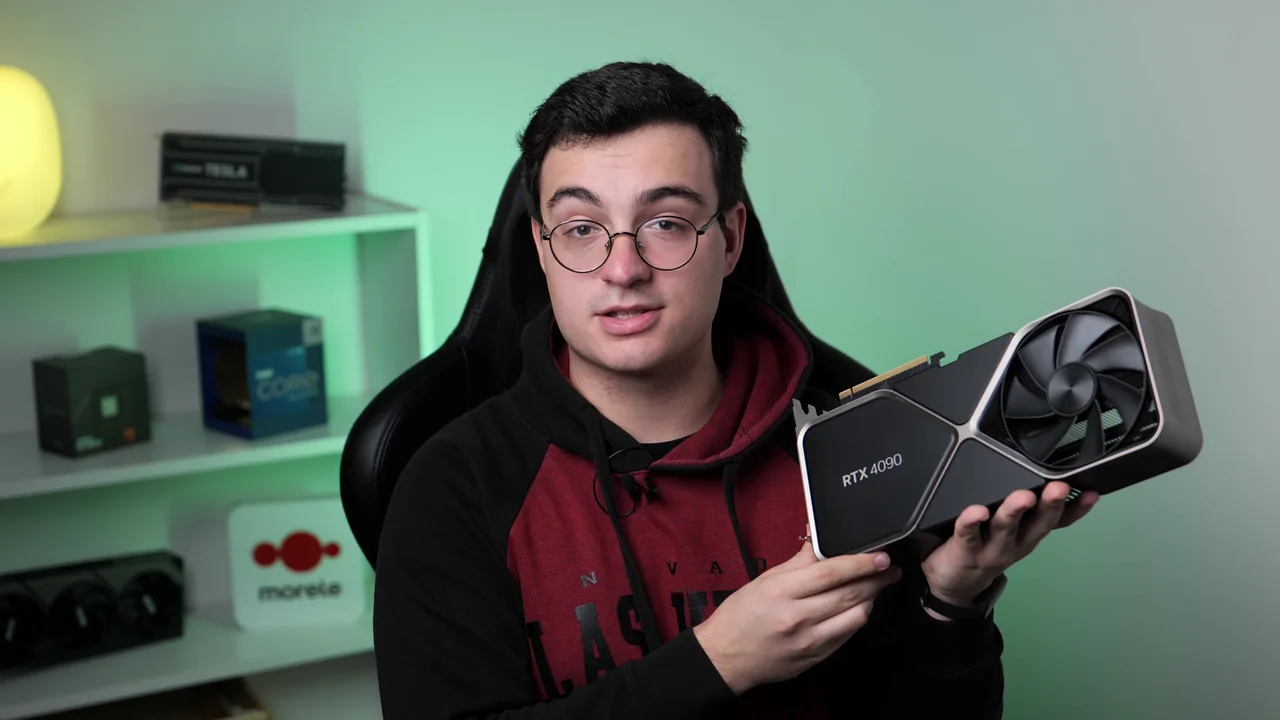
NVIDIA unveiled DLSS 5 on March 16, 2026, presenting it as a visual-fidelity technology beyond the company’s existing upscaling and frame-generation features.
What the source confirms
NVIDIA announced DLSS 5 on March 16 and described a shift from performance-oriented features toward visual fidelity.
The company characterized the technology as a major graphics breakthrough and presented demonstrations with partner games.
The announcement is an early technology reveal; it does not establish final release timing, independent image-quality results or hardware requirements for a retail implementation.
Why it matters
A generative or AI-assisted rendering feature can change the image in ways that are more subjective than a simple resolution upscale. Players and artists may value realism, fidelity to art direction or predictable frame behavior differently. That makes side-by-side, uncompressed comparisons and developer controls especially important when evaluating the technology.
A Technology Reveal Establishes Intent, Not a Finished Product
NVIDIA presented DLSS 5 as a shift toward visual fidelity, which is a statement about the technology’s aim. It does not yet tell readers how the feature will behave in a released game. The company’s phrase major graphics breakthrough is promotional characterization. An article can report that framing while distinguishing it from independent image-quality evaluation. That separation is especially important when the announcement is early and lacks final release timing.
Partner-game demonstrations show where NVIDIA wanted to illustrate the idea, but demonstrations do not establish the range of supported scenes or configurations. A video can be selected and prepared to explain a concept. It cannot answer whether a feature will preserve an art direction, operate consistently in motion, or suit every player. Those questions require a shipping implementation and repeatable observations.
The lack of a final hardware requirement and retail timing is meaningful information. It defines what is still unknown, rather than leaving a gap that should be filled with guesses. Readers can follow future developer notes for supported titles and system requirements, then examine tests that name game build and settings. Until those records exist, the accurate description is an early reveal with a stated visual-fidelity goal.
What Would Count as Evidence of Image Quality
Image quality is not one measurement. A comparison might examine detail retention, edges, motion stability, or whether the rendered result matches the artist’s intended appearance. The announcement does not provide an independent evaluation across those dimensions. A future review should identify what it measures and show the scenes and settings used, rather than reduce a complex visual change to one adjective.
Partner demonstrations can explain the intended effect, while a playable build can reveal how it interacts with actual input and movement. Those forms of evidence should be labeled separately. A creator’s technical explanation may clarify integration, but it does not substitute for outside testing. Conversely, a single test system cannot establish behavior for all hardware or every game.
This careful standard protects both readers and developers. It gives the technology room to prove itself after implementation and prevents an early announcement from being mistaken for a completed feature review. The March 16 post supplies the announcement date and NVIDIA’s stated direction. Later documentation can add compatibility, timing, and requirements, and independent testing can address results.
Partner Demonstrations Need a Shipping Build for Final Judgments
NVIDIA’s partner demonstrations show how the company chose to introduce DLSS 5, but a demonstration is not the same as a retail build tested across systems. The announcement does not establish final timing, requirements, or independent image-quality results. Readers should therefore treat the presentation as an early look at intent rather than a benchmark.
When supported games and system requirements are published, reviewers can test the feature with recorded settings and motion scenes. That evidence can address whether the output looks consistent and what hardware is needed. Until then, an article can describe the announced direction and explain which questions remain open.
Keep the Fidelity Goal Distinct From Performance Features
NVIDIA framed DLSS 5 as a visual-fidelity technology beyond existing upscaling and frame-generation features. The article should preserve that positioning without assuming how the feature interacts with those tools in a released game. The early announcement does not provide final implementation details or a complete technical comparison.
Readers can watch for developer documentation that explains integration and hardware requirements. Until then, the safest account is the company’s stated goal and the fact that partner demonstrations accompanied the reveal. Independent results should be added only when a test identifies its game build and settings.
What readers should consider
Treat demonstration footage as a proposal until the feature is available in a named game and can be tested on supported hardware. Check whether developers can tune or disable the effect and whether it changes lighting, faces or materials in ways that affect the intended art style. Frame-rate claims need a separate measurement from image claims.
Evidence and limitations
NVIDIA’s post is a company announcement and uses company-authored demonstrations. It does not provide independent validation or enough information to compare final output across hardware. The word breakthrough is a promotional characterization, not a measured standard; no retail date should be inferred from the reveal.
What to watch next
Look for developer documentation, implementation controls, hardware support details and independent tests after the technology reaches a playable build. Later coverage should distinguish the initial reveal from software that is actually shipping.
Sources
- NVIDIA GeForce News: NVIDIA DLSS 5 Delivers AI-Powered Breakthrough In Visual Fidelity For Games
NVIDIA’s March 16 announcement, description of DLSS 5 and company claims about its role relative to prior DLSS generations.