G-SYNC Pulsar Monitors Launch With NVIDIA’s Motion-Clarity Claim
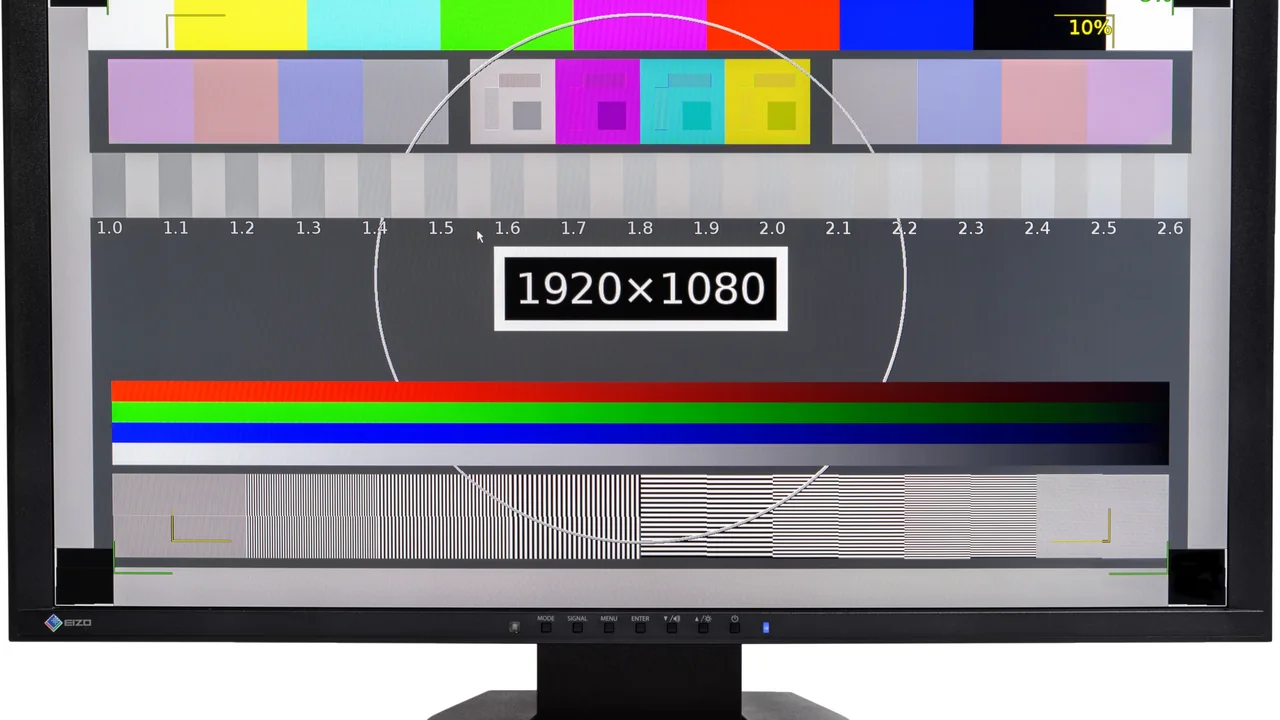
NVIDIA announced G-SYNC Pulsar displays for January 7, 2026, pairing variable refresh with backlight strobing and a company-quoted effective clarity figure.
What the source confirms
NVIDIA said G-SYNC Pulsar monitors would become available January 7 and paired variable refresh rate with backlight strobing technology.
The company advertised more than 1,000 Hz of effective motion clarity, a branded comparison rather than the panel’s native refresh rate.
The announcement also referenced ambient adaptive display technology, with participating models and retailer details handled separately.
Why it matters
“Effective motion clarity” is not interchangeable with a monitor’s refresh-rate specification. Backlight strobing can reduce perceived blur but may interact with brightness, crosstalk and variable refresh behavior. The headline number therefore needs a defined measurement and a direct comparison before it can guide a purchase.
Effective Motion Clarity Is Not a Panel Refresh-Rate Specification
NVIDIA’s phrase more than 1,000 Hz of effective motion clarity is a company-quoted comparison, not the monitor’s native refresh rate. The headline should preserve that distinction because a reader could otherwise infer a physical panel specification that the announcement does not provide. The technology combines variable refresh with backlight strobing, and the stated clarity figure describes NVIDIA’s claimed effect. A full product sheet and independent testing are needed to explain how a particular display behaves.
Backlight strobing and variable refresh address related but distinct aspects of motion presentation. The announcement’s pairing tells readers what technologies NVIDIA says are combined; it does not reveal every operating condition or limitation. Brightness, refresh range, game frame rate, and user sensitivity can affect whether a monitor is comfortable or useful. Those are factors for later testing, not established conclusions from the announcement.
Someone comparing monitors should look for the actual refresh specification, supported modes, connectivity, and independent measurements. A large effective-clarity number alone cannot answer whether the display fits a desk setup or a particular game. The article can explain NVIDIA’s claim and how it differs from a native rate, then wait for model-specific documentation and testing before making buying judgments.
The Product List and Retail Terms Still Need Model-Level Checks
The announcement points to participating monitor models and retailer details handled separately. That makes the availability date a useful marker, but not a complete shopping record. A buyer should confirm which model includes Pulsar, whether its local listing is live, and what warranty and return terms apply. The feature name alone does not guarantee that every monitor in a partner’s lineup has the same panel or options.
Ambient adaptive display technology is also mentioned, but a feature name does not disclose how a monitor will respond in a particular room. Readers should look for the manufacturer’s setup guidance and independent observation before assuming a preferred behavior. It is possible to explain the announced technology pairing without suggesting that every user will see the same result.
The January 7 availability statement belongs to the announcement as published. Later inventory or regional launches may differ by retailer. A careful article keeps the company’s planned date, the actual product specifications, and store availability in separate places. That gives buyers enough context to continue their research without mistaking a CES presentation for a guarantee of immediate stock everywhere.
A Personal Display Test Still Matters
Even a monitor that delivers the advertised technology may not suit every viewer. Motion clarity, brightness, and comfort are experienced in a particular environment, while the announcement’s effective figure is a company claim. Buyers should look for model-specific tests and, where possible, evaluate the display under the conditions they actually use.
The article can explain what NVIDIA announced and what the metric does not mean. It should leave a universal recommendation to evidence that compares real models, modes, and viewing conditions. That gives readers a sensible next step without turning an early product claim into a guaranteed personal result.
Read the Claim Beside the Actual Monitor Specification
Effective motion clarity and native refresh rate are different descriptions. NVIDIA’s figure should be attributed as an effective clarity claim, while the panel’s refresh rate belongs in its model specification. A product comparison that mixes those numbers would make unlike measurements appear interchangeable.
Buyers should also check which partner models include Pulsar and what modes each supports. The announcement refers to participating products, so the feature name alone does not identify every model’s full display characteristics. Current product sheets and independent measurements can answer those questions.
What readers should consider
Check the panel’s native refresh rate, resolution, VRR range, strobing behavior and independent measurements. If possible, view the display at the brightness and frame rate you expect to use. A high-end gaming monitor also needs a GPU and game workload capable of producing frames within its useful range.
Evidence and limitations
The source is NVIDIA’s technology announcement and does not provide a complete independent test protocol in the cited post. It does not establish how every monitor implementation performs or which trade-offs apply to each model. The effective-clarity claim should remain attributed to NVIDIA.
What to watch next
Monitor-specific reviews and manufacturer spec sheets can clarify luminance, response, flicker and compatibility. Retail listings should confirm model availability and price in each market; a CES launch date is not a guarantee of immediate local stock.
Sources
- NVIDIA GeForce News: GeForce @ CES 2026: NVIDIA DLSS 4.5 Announced, 250+ DLSS Multi Frame Generation Games & Apps Available Now, G-SYNC Pulsar Gaming Monitors Available This Week, And Much More
G-SYNC Pulsar availability date and NVIDIA’s description of effective motion clarity.