Project Helix: Xbox Says Its Next Console Will Play Xbox and PC Games
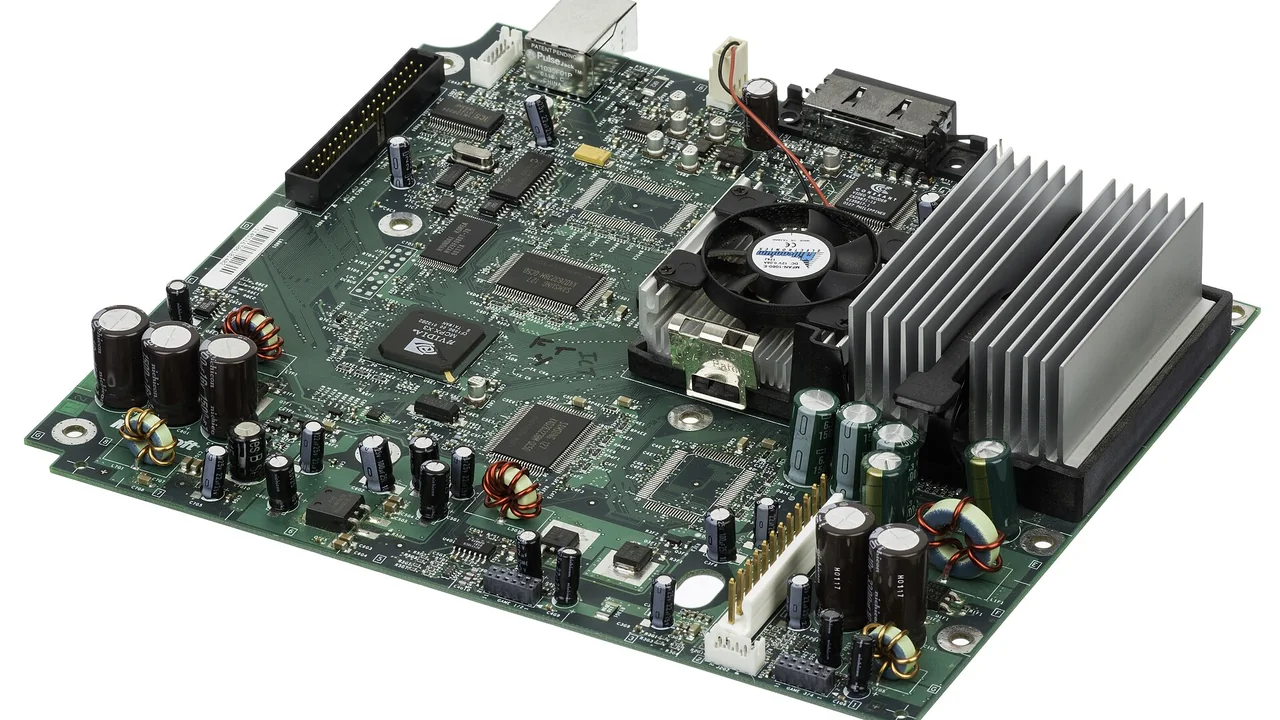
At GDC on March 11, 2026, Microsoft described Project Helix as a next-generation Xbox built to play both Xbox console and PC games with a custom AMD SoC.
What the source confirms
Xbox described Project Helix as its next-generation first-party console and said it is designed to play Xbox console and PC games.
Microsoft said the system is powered by a custom AMD SoC and co-designed for the next generation of DirectX and FSR.
The announcement presents a development direction rather than a retail specification sheet; it does not provide a consumer price, final hardware dimensions or full launch schedule.
Why it matters
The notable change is the platform boundary Microsoft is signaling. A console that can access both Xbox and PC games could alter how publishers think about storefronts, compatibility and the living-room interface. But the phrase PC games leaves important details unanswered: operating environment, supported storefronts, controls, certification and whether existing libraries carry over.
The Compatibility Promise Needs a Definition Before It Can Guide a Purchase
The phrase Xbox and PC games describes an intended compatibility direction, but it leaves several distinct questions unresolved. It does not by itself identify which stores a player can access, whether a current PC library will transfer, how controllers and mouse input will be handled, or which software will be approved. It also does not say whether every existing Xbox console game will work. Those are separate compatibility layers: game entitlement, operating environment, storefront access, input support, and technical performance. A reader should wait for Microsoft to define each layer instead of treating one broad phrase as a complete library policy.
The custom AMD SoC and co-design work with DirectX and FSR likewise establish design aims rather than measurable performance. A system-on-chip name does not tell a buyer what frame rate or image quality a game will deliver. Those outcomes depend on the final hardware, game implementation, settings, and how a title is tested. The announcement is therefore useful to developers and players as a direction signal, but it cannot yet support a side-by-side purchasing comparison with named PC components or another console. Any such comparison would need specifications and repeatable tests that are not part of this early description.
For current owners, the rational next step is to record questions rather than make assumptions about carry-over. A future compatibility list could answer whether a purchase remains usable; a storefront policy could clarify which libraries appear; and a developer program could show how studios target the hardware. Microsoft has not supplied those details in the cited March announcement. The article can explain the potential significance of a broader console-and-PC boundary while clearly labeling that significance as analysis. This preserves the news value of the proposal without implying that a retail device, final software stack, or release date has already been fully specified.
What Would Make the Next Announcement More Concrete
Several kinds of information would turn Project Helix from a direction statement into something developers and buyers could evaluate. A supported-game list would address compatibility; storefront documentation would explain how PC libraries fit; input specifications would clarify control options; and technical details would give studios a basis for estimating performance. A launch window and pricing would support a purchase comparison. The March announcement does not yet provide those pieces, so the article should present them as open questions rather than imply that Microsoft has already answered them.
The phrase co-designed with AMD describes collaboration around a custom system-on-chip and the next generation of DirectX and FSR. It does not disclose component specifications or performance targets. A reader might reasonably be interested in how those technologies work together, but a benchmark prediction cannot be derived from the collaboration statement alone. Developers will eventually need tools and documentation to know how to build and test software for the machine. Until those exist publicly, claims about particular frame rates, graphics settings, or PC storefront behavior would be premature.
Players who already own Xbox or PC games have a concrete reason to follow the next updates: compatibility affects the future value of an existing library. Yet the safest current advice is to wait for an official policy, not to assume either universal carry-over or a clean break. If Microsoft publishes a list or a migration process, the article can add it with a date and source. This keeps the significance of the announcement visible while making the boundary between intention and confirmed consumer behavior easy to see.
What readers should consider
Current Xbox owners should wait for a compatibility matrix before assuming their purchases will work on Project Helix. PC players should look for details on storefront access, anti-cheat and input support. Developers will need actual hardware and software tools before they can validate performance or plan a release around the system.
Evidence and limitations
This is Microsoft’s product direction statement, not an independent verification of future capabilities. A custom SoC does not reveal performance against a named GPU, and the stated DirectX/FSR design goal is not a benchmark. No conclusion about price or release timing follows from the announcement alone.
What to watch next
The next evidence to look for is a developer kit program, operating-system details, backward-compatibility policy and a retail launch window. Those details should be attributed to the source that publishes them and compared against this March 11 statement as the design evolves.
Sources
- Xbox Wire: From GDC: Building the Next Generation of Xbox
Microsoft’s Project Helix description, planned Xbox and PC game compatibility, and AMD SoC partnership.