GDC 2026 Survey Finds Layoffs and AI Concerns Across Game Teams
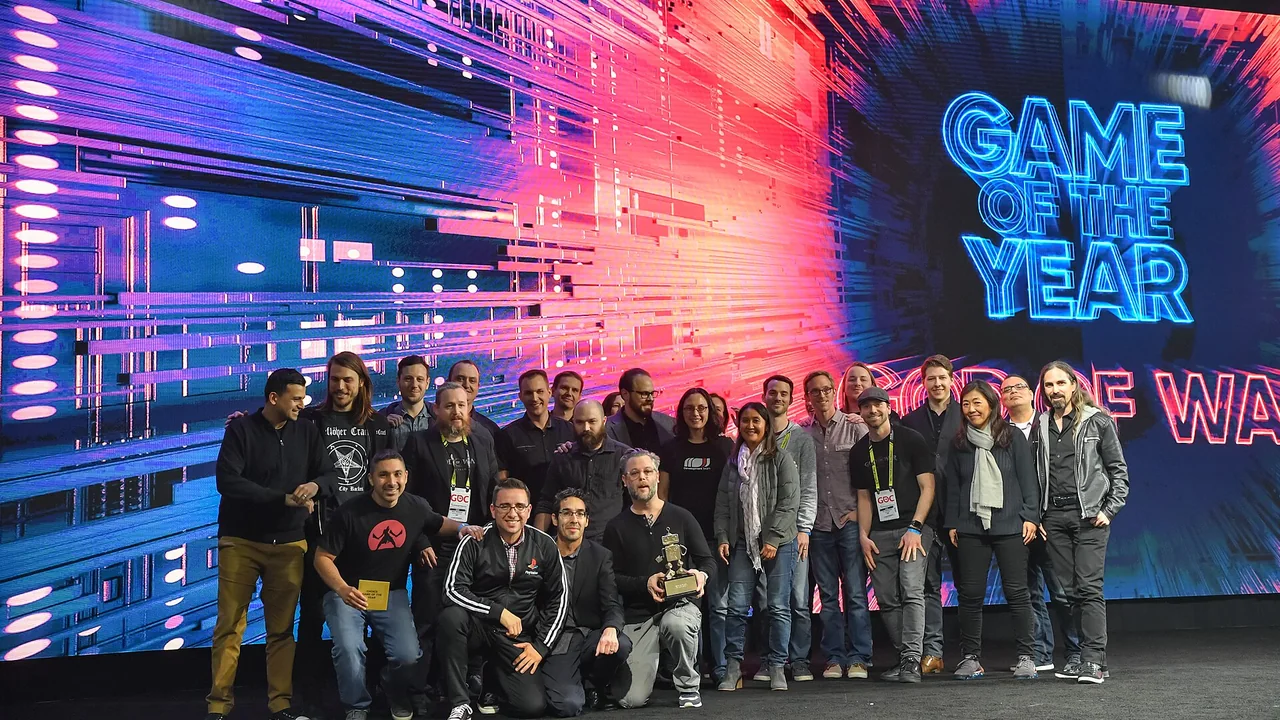
The GDC’s 2026 survey reports that 28% of respondents experienced a layoff in two years and 52% view generative AI negatively, with sample limits to consider.
What the source confirms
GDC said more than 2,300 game-industry professionals responded to its 2026 survey and reported that 28 percent had been laid off in the prior two years.
The share was 33 percent among U.S.-based respondents, while 52 percent of professionals surveyed said generative AI had a negative industry impact.
GDC reported 36 percent using generative AI at work, with adoption varying by role and organization type; respondents are not a census of all workers.
Why it matters
The survey captures reported experience and sentiment at one point in time. A layoff percentage describes respondents, not a verified headcount of every job loss in the industry. The AI findings also distinguish personal use from opinions about industry-wide effects. Those measures can move in different directions without contradiction.
Survey Percentages Describe Respondents, Not Every Worker
The layoff figure is a share of survey respondents who reported an experience during the previous two years. It is not a verified count of all people who lost jobs across the game industry. That distinction does not make the result unimportant; it defines what the result measures. A careful article should preserve the respondent base and period each time it uses the percentage, especially when comparing the overall share with the U.S. respondent result.
The AI figures measure separate questions. Thirty-six percent reported using generative AI at work, while 52 percent viewed its industry impact negatively. Use and opinion can coexist in the same population. One number does not cancel the other, and neither establishes why a studio adopted a tool or how a particular job changed. The source notes that responses vary by role and organization type, so the overall figure should not be applied uniformly to every discipline.
Readers should look at the wording and sample notes before interpreting a difference across groups or years. An online survey can capture reported experiences and attitudes, but it is not a census and cannot show causation. The article can explain the results as an industry pulse, while making clear that a respondent’s answer is not an audited employment record or a forecast of future layoffs.
Why Layoff and AI Questions Should Not Be Collapsed Into One Story
The survey covers both employment experience and views about generative AI, but the fact that both appear in one report does not establish a causal link between them. The article should not imply that AI use caused the reported layoffs or that respondents who use AI hold a particular view. The data described in the current summary support separate observations, not an explanation connecting them.
That separation matters for workers, students, and employers. A person can use a tool because of workplace policy while remaining concerned about its effect on the industry. Another may have been laid off for reasons the survey does not identify. Without linked respondent-level analysis and a causal design, the percentages cannot resolve those possibilities. The report is still useful for describing the concerns people expressed.
Future comparisons should use the same survey questions and note any change in the sample. A change in percentage may reflect shifting experiences, different respondents, or different wording. The 2026 results provide a dated snapshot of reported attitudes and experiences. They should inform questions and further study, not be treated as proof of a single industry-wide cause.
Use the Findings to Ask Better Questions About Work
The survey is a snapshot of reported experience across a broad professional sample. A studio, role, or country may have a different pattern from the overall result. Workers and employers can use the figures to identify questions worth examining locally, but should not use the percentages to describe a particular team without direct evidence.
Survey results are most useful when combined with other clearly defined information, such as dated company announcements or labor datasets. The GDC figures do not identify each layoff or establish why it occurred. Keeping the respondent context visible helps the article inform discussion without turning a survey into a complete labor ledger.
What readers should consider
Workers should read the role and location breakdowns rather than applying the overall share to every studio. Students can use the data as a signal of reported concern, not a forecast of an individual career. Employers and policymakers should examine the underlying question wording and respondent composition before using the percentages as a benchmark.
Evidence and limitations
GDC’s findings are self-reported survey results and should not be stated as an audited labor statistic. The source identifies a survey base but cannot eliminate response bias or establish causation between AI use and layoffs. Secondary reporting summarizes the same report rather than providing an independent workforce census.
What to watch next
Future GDC reports, labor datasets and studio-level disclosures can show whether these patterns continue. Comparisons across years require consistent question wording and sample methods; a change in percentage alone does not explain why respondents answered differently.
Sources
- Game Developers Conference: GDC 2026 State of the Game Industry Reveals Impact of Layoffs, Generative AI, and More
Survey findings on layoffs, generative AI use and sentiment, and platform development priorities.
- GameSpot: More Developers Than Ever Believe Generative AI Is Hurting The Game Industry
Independent coverage of the report’s respondent count and negative AI sentiment finding.